
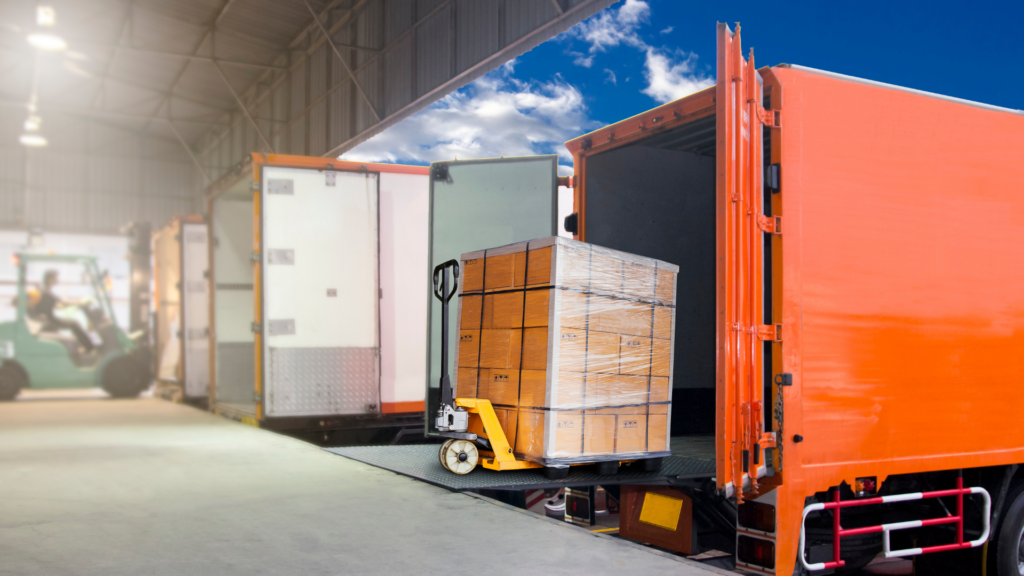
Factories and warehouses across industries in India form the backbone of modern supply chains. Every day, they receive hundreds of vehicles, weigh thousands of tons of material, and dispatch critical orders. Yet, despite this central role, in-plant logistics in many Indian factories still suffers from inefficiencies and outdated processes. As global competition intensifies and customer expectations rise, Indian operations are under pressure to improve speed, accuracy, compliance, and visibility. For many plants, automation is the path forward.
The Hidden Challenges in Indian Plant Logistics
While many Indian plants have begun digitization, persistent challenges impede performance:
- Congestion at Entry Gates: Bulk vehicle arrivals without sequencing cause long queues, idle transporters, and downstream delays.
- Weighbridge Delays and Errors: Manual weighments, inconsistent records, and human errors lead to disputes and revenue leakage.
- Vendor Coordination Issues: Lack of real-time scheduling forces vendors to deliver at convenience, not in alignment with plant readiness.
- Compliance & Audit Risks: Stricter norms around safety and environment require tamper-proof records, which manual systems can’t provide.
- Siloed Operations: Gate entry, weighbridges, and dispatch often run independently, leaving managers blind to real-time yard conditions.
- Labour & Safety Concerns: Manual handling and unplanned vehicle movement increase the risk of accidents and inefficiency.
Why Automation Matters in India
Implementing automation in in-plant logistics addresses these pain points directly:
- Reduced Turnaround Time: Automated gates, weighbridges, and vehicle sequencing significantly cut waiting times. In Indian cement plants, turnaround improvements of up to 50% have been recorded.
- Cost Savings: Faster processes reduce overtime, cut fuel wastage in queues, and minimize disputes with vendors.
- Compliance Assurance: Digital records make audits seamless and mitigate the risk of fines or reputational loss.
- Vendor & Stakeholder Benefits: Scheduled deliveries and real-time dashboards improve trust and reduce idle driver time.
- Data-Driven Operations: Real-time dashboards empower managers to predict delays, optimize resources, and continuously improve operations.
Autoplant: Driving India’s Logistics Automation
Autoplant (Autoplant System India Pvt. Ltd.), based in Navi Mumbai, is a leader in enabling zero-touch logistics. Founded in 2012, it has delivered:
- 60+ clients across sectors like cement, steel, FMCG, and automotive.
- 150+ implementations across 1000+ facilities.
- Deployment of 1M+ IoT devices for real-time plant visibility.
Key offerings include yard management, vehicle sequencing, automated weighments, vendor coordination, and digital invoicing.
Industry Trends & Case Studies
- Cement Industry: Indian cement plants adopting RFID-based entry and weighbridge automation have cut average vehicle wait times by 40-50%.
- Steel & Heavy Industries: Digital weighments and vehicle tracking reduce errors in bulk material handling, improving compliance.
- Warehouse Automation Spillover: With Indian e-commerce and logistics companies investing heavily in warehouse automation, similar expectations are spreading into plant logistics.
The Roadmap for Indian Plants
For successful adoption, plants should:
- Assess Baselines: Capture data on current turnaround times, queue lengths, and weighbridge accuracy.
- Start Small: Pilot automation at a single gate or weighbridge before scaling up.
- Integrate Systems: Ensure automation connects seamlessly with ERP and finance systems.
- Localize Solutions: Use rugged hardware designed for Indian conditions and easy-to-use software for drivers and staff.
- Train & Align Stakeholders: Secure buy-in from vendors, transporters, and plant teams.
- Monitor KPIs: Continuously track waiting times, throughput, and error rates to refine processes.
Why Early Adopters Will Win in India
- Scalability: Plants with digital infrastructure can expand faster as demand grows.
- Regulatory Edge: Automated audit trails ease compliance with India’s tightening environmental and safety norms.
- Cost Leadership: Reducing wastage and idle time lowers logistics costs, a major factor in India where logistics still accounts for ~13-14% of GDP.
- Customer Trust: Faster dispatches and digital traceability improve vendor and client satisfaction.
The Road Ahead
In-plant logistics is no longer just a back-end process. For Indian manufacturers, it is now a strategic capability. Autoplant and other automation providers are showing how factories can transform gate entry, weighing, dispatch, and vendor management into seamless, intelligent, and compliant systems.
The future of in-plant logistics in India is not just automated-it is smart, connected, and built for growth. Schedule a demo to understand how Autoplant can help you in your Inplant automation needs.